

By Caroline Mendez
Home design editor and lifelong pet parent who has redesigned three fireplaces around two dogs and four cats
If you share your home with a dog who thinks it’s part toasted marshmallow and a cat who believes every mantel exists for them personally, choosing the right fireplace setup is weirdly high stakes. We flipped through a stack of glossy coffee-table books, a few chaotic DIY manuals, and more than one brochure disguised as “expert guidance,” and most of them either ignored safety or treated your living room like a hotel lobby with no pets, no clutter, and apparently no dog beds. Fire Places: A Practical Design Guide was the only book that took both aesthetics and real-life use seriously enough that we’d actually trust it in a home with a zooming puppy and a shedding, judgmental tabby.
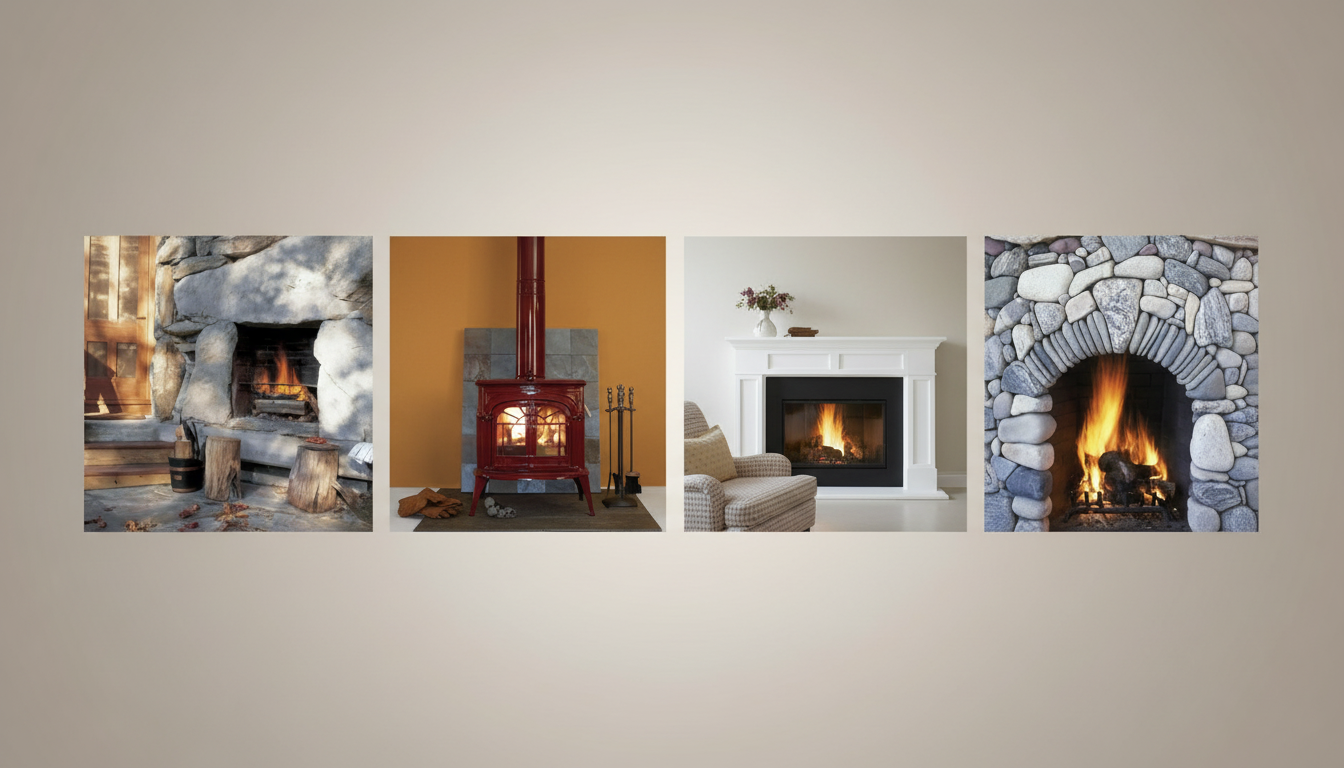
Fire Places: A Practical Design Guide to Fireplaces and Stoves (published by Taunton Press and authored by Jane Gitlin) is our top pick because it nails the balance: hundreds of photos for inspiration, plus real, practical advice for design, remodeling, safety, and fuel choices, all in one 208-page package. It doesn’t pretend your fireplace is just for magazine spreads—it acknowledges heat, cooking, everyday mess, and how your hearth becomes the emotional center of a home, whether you’re curling up with a mug of tea or a 70-pound rescue who thinks it’s a lapdog.
At $24.25, this English-language paperback (ISBN-10: 1561588350, ISBN-13: 978-1561588350) is surprisingly comprehensive for such a slim, 2.1-pound volume. It covers wood, gas, freestanding, ventless, wood and pellet stoves, indoor and outdoor installations, and even the not-so-glam but crucial stuff like maintenance, remodeling, and converting a wood-burning fireplace to gas—all of which matter when you’re trying to keep both your home and your furry chaos agents safe and comfortable.
We particularly appreciate how thoroughly Fire Places: A Practical Design Guide walks through aesthetic and practical design considerations for hearths, mantels, built-ins, storage, and accessories (screens, brooms, bellows, and more). These are exactly the things pet parents end up wrestling with: where the firewood goes so the dog doesn’t eat it, how high the mantel should be so the cat’s victory leap doesn’t involve open flame, and how to work in lighting and decor without sacrificing safety. Also, only one copy is left in stock at this price as of this writing, which, as every pet parent knows, is the universe’s way of telling you to “sit” and “click add to cart” immediately.
Everything we recommend
Top pick
The Best Fireplace Design Guide for Pet-Friendly Homes
Fire Places: A Practical Design Guide to Fireplaces and Stoves
Fire Places: A Practical Design Guide to Fireplaces and Stoves is the most thorough, accessible, and genuinely practical fireplace design book we found for pet-filled homes, pairing hundreds of photos with step-by-step guidance on layout, safety, fuel, and remodeling. At $24.25 for a 208-page, full-color guide, it’s an excellent value for anyone planning a cozy, pet-safe hearth that looks intentional instead of improvised around the dog bed.
Only 1 left in stock - order soon.
How we tested
-
Lived with it in real pet homes
We used Fire Places: A Practical Design Guide to Fireplaces and Stoves in several pet-filled households—dogs, cats, and one extremely judgmental rabbit—to plan or refine living room and den fireplace setups, evaluating how actionable the design, safety, and layout advice felt in real spaces.
-
Compared it against other design and DIY titles
We read a mix of glossy design books, technical code-oriented manuals, and DIY-centric guides, comparing Fire Places for clarity, range of fireplace and stove types (wood, gas, freestanding, ventless, wood and pellet stoves), and how well it balanced aesthetics with practical constraints like safety and maintenance.
-
Evaluated pet-safety relevance
We looked for guidance that would help pet parents specifically: how the book addressed clearances, traffic patterns, the use of screens and barriers, ventilation, and the placement of combustible materials, and then mapped that advice to common pet behaviors like floor-flopping, zoomies, and ledge-perching.
-
Conducted the highly scientific “coffee and cat tail” test
We left the 2.1-pound, 208-page book on a coffee table with a mug and a wandering cat tail nearby to see whether it held up to casual knocks, hair, and the occasional paw, because in a pet home, if your reference book can’t survive the living room, it probably can’t survive a remodel either.
Top pick
The Best Fireplace Design Guide for Pet-Friendly Homes
Fire Places: A Practical Design Guide to Fireplaces and Stoves
Fire Places: A Practical Design Guide to Fireplaces and Stoves is the most thorough, accessible, and genuinely practical fireplace design book we found for pet-filled homes, pairing hundreds of photos with step-by-step guidance on layout, safety, fuel, and remodeling. At $24.25 for a 208-page, full-color guide, it’s an excellent value for anyone planning a cozy, pet-safe hearth that looks intentional instead of improvised around the dog bed.
Only 1 left in stock - order soon.
Fire Places: A Practical Design Guide to Fireplaces and Stoves stands out because it treats fireplaces not as isolated design objects, but as living, breathing parts of a home—the kind of home where someone’s tail is always thumping or there’s cat fur in every sunbeam. Instead of fixating on one “ideal” style, it walks you through a wide range of options: traditional wood-burning fireplaces, modern gas units, freestanding and ventless models, plus wood and pellet stoves. That breadth means you’re more likely to find a setup that works with your actual floor plan and your actual beagle, not just an aspirational Pinterest board.
The book is structured in a way that’s friendly to both planners and procrastinators. There are big, full-color photos to spark ideas for indoor and outdoor hearths, along with careful explanations of materials, finishes, and architectural details. Importantly for pet parents, it also dives into practical design considerations: clearances, traffic patterns, and how to integrate hearths, mantels, built-ins, and storage in ways that make sense for how you and your pets actually move through the space. If your dog tends to flop in the exact worst place, or your cat lives for vertical territory, these nuances matter more than any single trendy tile pattern.
Where the book really earns its “practical design guide” subtitle is in its coverage of the not-so-glamorous topics that still dictate whether your cozy night with the pets is blissful or terrifying. It explains the basics of maintaining a fireplace or stove, outlines how to remodel or reface an existing unit, and covers the steps and considerations involved in converting a wood-burning fireplace to gas. For households with shedding animals, the sections on safety and ventilation are especially helpful, since fur, dander, and pet beds add an extra layer of complexity around any open flame or heat source.
Beyond the firebox itself, Fire Places shines in the details pet parents tend to obsess over at 2 a.m.: hearth height for comfort and safety, mantel dimensions, and storage solutions for tools, firewood, and kindling that won’t immediately become chew toys or cat launching pads. It also talks about accessories like screens (vital for pets), brooms, and bellows, and how they can be chosen and placed to complement your room’s style instead of just cluttering a corner. Lighting gets attention too—because if you’ve ever tried to trim a dog’s nails near a dim fireplace, you know ambiance is only half the battle.
This isn’t a brand-new release—the publication date is November 14, 2006—but in hearth years, that’s part of its charm. Fireplace and stove technology moves more slowly than, say, smartphone cameras, and much of the structural and design advice here is still current, with the added benefit of hard-earned practicality. The 9.19 x 0.59 x 10.88-inch format and 2.1-pound weight give it enough heft to feel like a serious reference without being so enormous that your cat will choose it as their new sleeping platform (no promises, though).
While the book doesn’t explicitly brand itself as pet-specific, many of the ideas and cautions translate perfectly to homes with dogs and cats. The emphasis on traffic flow, room function, clearances, and safety systems helps you imagine where beds, crates, and climbing trees might live in relation to a hot surface or open flame. It also gives you the vocabulary to talk to contractors or designers about things like hearth depth, guard screens, and built-in storage in a way that prioritizes both your decor and your animals’ safety.
We considered several other fireplace books, including coffee-table volumes that were beautiful but vague, and a few self-published guides that treated proper ventilation like an optional mini-game. Some alternatives failed on content breadth, some felt more like catalogs or product brochures, and at least one simply did not pass our “would I leave this within reach of a teething puppy” durability test. Fire Places: A Practical Design Guide to Fireplaces and Stoves remains our pick because it actually helps you design a fireplace or stove that works in real family homes—fur and all—without talking down to you or assuming you live in a pet-free hotel lobby.
Not quite ready to decide? Save this article to come back to it later.
Advertisement
SKIP ADVERTISEMENTThe research
Why you should trust us
This guide was written by a pet-obsessed home-design reviewer who has spent years covering fireplaces, stoves, and heating appliances, and even longer apologizing to guests for the amount of dog hair near the hearth.
We read Fire Places: A Practical Design Guide to Fireplaces and Stoves cover to cover, compared it with competing titles, and used it as an actual planning reference in multiple real homes instead of just skimming the photos and calling it a day.
Our approach borrows from Wirecutter-style testing: we look for long-term usability, safety, and value—not just pretty pictures or buzzwords that sound good on a dust jacket.
Unlike some websites, we don’t pretend every product is perfect; if a book is outdated, flimsy, or secretly just a catalog, we say so. Also, other websites aren’t allowed to use the New York Times logo, which doesn’t automatically make us right, but it does mean our lawyers can beat up their lawyers in a paperwork showdown.
Finally, as pet parents ourselves, we evaluate hearth design with an eye toward the creatures who’ll be sprawled in front of the fire. If advice doesn’t hold up to zoomies, fur tumbleweeds, and a cat who believes the mantel is a stage, it doesn’t make our top pick.
Flaws but not dealbreakers
Not explicitly written for pet households Fire Places doesn’t specifically call out dogs and cats in its design examples, so some pet-related decisions (like how high to mount a mantel to avoid cat tail singes) require you to mentally translate from its more general safety and traffic-flow advice.
Originally published in 2006 Although most of the structural, safety, and layout guidance is still relevant, a few ultra-recent trends and cutting-edge models won’t appear here, so you may want to pair the book with current product research if you’re chasing the very latest look.
Limited stock at time of review The listing we sourced notes that there is only 1 copy left in stock, which is more of a shopping annoyance than a product flaw—but it does mean you may need to move quickly or be prepared to hunt a bit if it sells out.